Understanding Water Treatment Systems
In today's world, water treatment systems play a crucial role in ensuring clean and safe water for consumption, industrial use, and various applications. These systems are designed to remove contaminants, manage wastewater, and produce potable water, addressing some of the most pressing challenges related to water quality and availability. As a leading Water Treatment System Supplier, QILEE is at the forefront of this industry, offering innovative solutions tailored to meet specific needs.
What is a Water Treatment System?
A water treatment system comprises various processes and technologies aimed at improving water quality. These systems can treat surface water, groundwater, and wastewater, ensuring that the water meets health and environmental standards. Common components include filtration, disinfection, chemical treatment, and biological processes. Modern advancements have led to the development of integrated systems that combine multiple treatment methods into a single, efficient unit.
Types of Water Treatment Systems
- Municipal Water Treatment Systems: Designed to provide clean drinking water to urban populations, utilizing methods such as chlorination, flocculation, and sedimentation.
- Industrial Water Treatment Systems: Tailored for specific industries, these systems handle wastewater from manufacturing processes, often incorporating advanced technologies like reverse osmosis and ultrafiltration.
- Decentralized Treatment Systems: Suitable for rural areas, these systems provide localized solutions that require less infrastructure and can operate independently.
- Desalination Systems: Used primarily in coastal regions, these systems convert seawater into potable water, using techniques like multi-stage flash distillation or reverse osmosis.
Benefits of Integrated Systems in Modern Applications
Integrated water treatment systems offer numerous advantages, including:
- Efficiency: Combining various treatment methods reduces the overall footprint and operational costs.
- Customization: Systems can be tailored to specific environmental conditions and water quality requirements.
- Scalability: These systems can be expanded or modified as demand increases or decreases.
- Reliability: Advances in technology ensure consistent performance, even in challenging conditions.
Key Applications of Containerized Water Treatment Systems
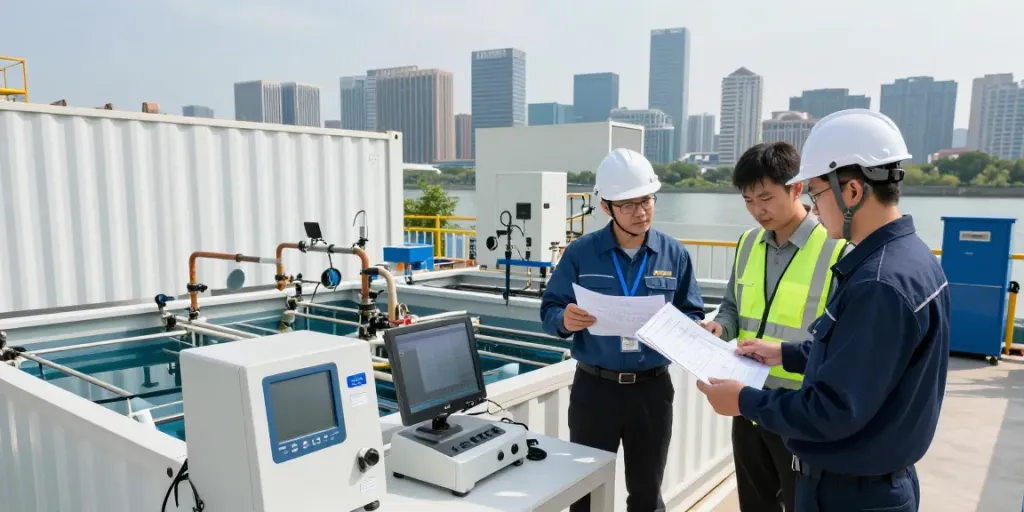
Containerized water treatment systems have revolutionized the way industries and municipalities manage water quality. By encapsulating complex systems within a mobile unit, these solutions can be rapidly deployed to address urgent water treatment needs.
Pure and Drinking Water Treatment
Containerized systems designed for pure and drinking water treatment utilize advanced filtration and disinfection methods to ensure safety for human consumption. These units are ideal for emergency response situations or areas facing water scarcity, allowing for quick and effective access to potable water.
Industrial Wastewater Management
Industries generating significant wastewater face strict regulatory compliance issues. Containerized water treatment systems are capable of handling high-difficulty wastewater, employing techniques such as biological treatment and chemical precipitation to purify water before it is discharged or reused.
Emergency and Mobile Treatment Solutions
In disaster scenarios or remote locations, mobile treatment units are indispensable. They can be quickly transported to areas affected by natural disasters or infrastructure failures, enabling communities to regain access to clean water rapidly. These systems are essential for humanitarian efforts during crises.
Challenges Faced by Water Treatment System Suppliers
While advancements in water treatment technology are promising, several challenges continue to impact suppliers and manufacturers in the industry.
Common Misconceptions About Water Treatment
Many individuals believe that all water treatment systems are the same, leading to inappropriate selections for specific applications. Understanding the variance in technologies and approaches is critical to making informed decisions.
Addressing Regulatory Compliance and Standards
Water treatment systems must adhere to strict governmental regulations, which can vary significantly by region. Suppliers must stay informed about local laws and international standards to ensure their systems meet compliance requirements.
Technical Challenges in Implementation
Designing efficient and effective water treatment systems involves overcoming technical challenges such as integrating multiple treatment technologies and ensuring ease of operation and maintenance. Furthermore, training operators is essential for the system’s long-term success.
Best Practices for Selecting a Water Treatment System Supplier
Choosing the right supplier can make a significant difference in project outcomes and long-term performance.
Evaluating Supplier Expertise and Experience
When selecting a water treatment system supplier, it’s essential to evaluate their track record and expertise in the field. Look for suppliers who have completed projects similar to yours and can demonstrate proven results.
Importance of Customization in Design
Each water treatment challenge is unique; thus, suppliers should offer customized solutions tailored to your specific needs. This ensures greater efficiency and compliance with local regulations.
Factors Influencing Cost and Efficiency
The initial investment in a water treatment system is significant. It's crucial to assess not only the upfront costs but also the long-term operational efficiency and maintenance expenses. A well-designed system may be more costly initially but can save money over time due to lower energy consumption and reduced maintenance needs.
The Future of Water Treatment Solutions in 2026
The landscape of water treatment is evolving rapidly, driven by technological advancements and changing environmental conditions.
Emerging Technologies and Innovations
Innovations such as smart water technologies, IoT integration, and AI-driven system management are expected to dominate the market. These technologies can optimize treatment processes and improve efficiency.
Predicted Trends in Water Management
As water scarcity becomes a critical issue globally, the trend towards sustainable practices will intensify. Circular economy principles will guide the development of water treatment solutions that emphasize recycling and reuse.
Importance of Sustainability in Water Treatment
With growing awareness of environmental impacts, suppliers will need to prioritize sustainability in their operations, focusing on minimizing energy consumption and reducing chemical usage in treatment processes.
What are the main benefits of water treatment systems?
Water treatment systems provide clean, safe water for consumption, help manage wastewater efficiently, and enable industries to meet regulatory compliance, thus promoting public health and environmental sustainability.
How to choose the right water treatment system supplier?
Choosing the right supplier involves assessing their experience, the customization of solutions offered, and the total cost of ownership, which includes both initial investment and ongoing operational expenses.
What are the latest innovations in water treatment technology?
Recent innovations include membrane technologies, advanced oxidation processes, and the integration of smart monitoring systems that enhance real-time decision-making for water treatment operations.
How does containerized water treatment compare to traditional methods?
Containerized systems offer flexibility, faster deployment, and lower capital investment compared to traditional water treatment facilities, which often require extensive infrastructure and longer installation times.
What are the common applications of containerized systems?
Containerized systems are commonly used for emergency response, decentralized water treatment in rural areas, industrial wastewater treatment, and temporary solutions during infrastructure upgrades or natural disasters.