Introduction to Precision CNC Machining
In today's fast-paced manufacturing environment, precision CNC machining has become one of the cornerstones for creating high-quality components across various industries. This technology not only enhances production efficiency but also supports intricate designs that were once deemed impossible. With advancements in technology since its inception, CNC machining continues to evolve, raising the standard for precision and quality in manufacturing. One aspect to consider when looking for a reliable vendor is selecting a precision cnc machining supplier that has a proven track record.
Understanding CNC Machining Basics
CNC, or Computer Numerical Control, refers to a manufacturing process that involves the use of computer software to control machine tools. This process allows for cutting and shaping materials with incredible precision, leading to parts that meet stringent manufacturing standards. Machines such as lathes, mills, and routers can be programmed to create intricate designs, making CNC machining a versatile option for various applications.
Importance of Precision in Manufacturing
Precision is paramount in manufacturing, especially in sectors like aerospace and healthcare. Parts must not only fit perfectly during assembly but also function reliably during operation. The implications of errors can lead to significant risks, ranging from production delays to safety hazards. Thus, achieving high accuracy in machining ensures that components will meet performance criteria effectively.
Evolution of CNC Technology since 2003
The landscape of CNC machining has transformed dramatically since 2003. Initially characterized by standalone machines, today’s CNC machines are often equipped with IoT functionalities, enabling data exchange and real-time monitoring. This evolution has led to smarter manufacturing solutions that improve productivity and decrease waste. Companies can now harness advanced features like automatic tool changers and multi-axis machining capabilities to enhance their manufacturing processes.
Key Benefits of Choosing a Professional Precision CNC Machining Supplier
High-Quality Custom Engineered Products
A reputable precision CNC machining supplier understands that each project is unique. Tailoring solutions to meet specific engineering requirements results in higher quality products. CNC suppliers can offer materials ranging from metals to plastics while ensuring that the final outcome adheres to rigorous industry standards. This customizability is crucial for industries such as aerospace, where specific material properties and tolerances are required.
Fast Delivery and Expert Support
In an era where time-to-market can define success, having a supplier who can guarantee fast delivery without compromising quality becomes invaluable. Many precision CNC machining suppliers have optimized their processes through lean manufacturing techniques to effectively shorten production cycles. Furthermore, expert support is essential as it ensures that clients have resources available to troubleshoot issues immediately, streamlining the overall project flow.
Ensuring Quality Assurance in Production
Quality assurance practices involve rigorous inspection processes, ensuring that all manufactured parts meet specified tolerances. Leading CNC machining suppliers deploy various inspection technologies such as 3D scanning and CMM (Coordinate Measuring Machines) to validate the accuracy of machined parts. Employing these technologies lets suppliers catch potential defects early, reducing costs associated with rework or failed parts.
Industries That Benefit from Precision CNC Machining
Aerospace and Defense Sector Demands
Precision machining is nothing short of critical in the aerospace and defense industries. Components like turbine blades, landing gear, and structural frames require exceptional strength-to-weight ratios and flawless integrity. Therefore, CNC machining plays a vital role in producing parts that meet FAA regulations, thereby enhancing safety and performance.
Automotive Industry Precision Requirements
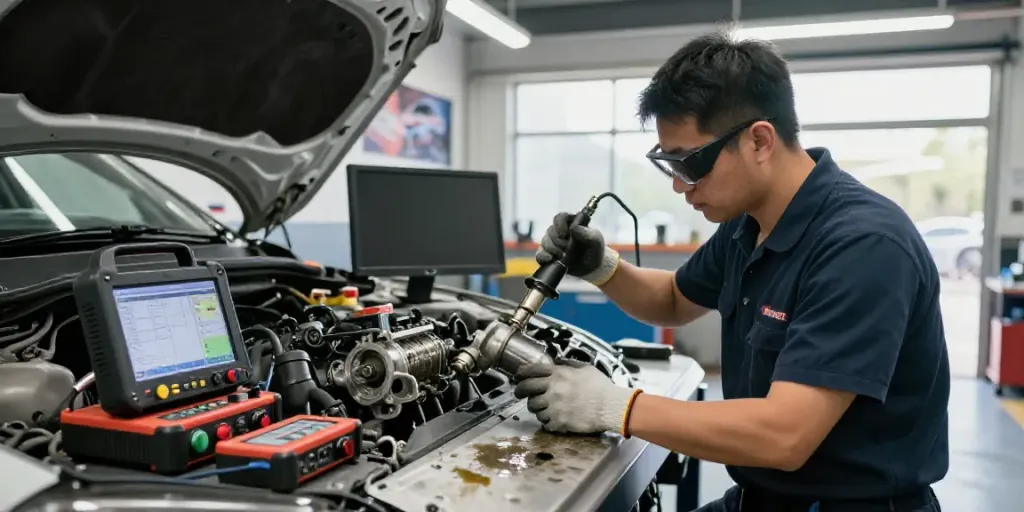
The automotive industry relies heavily on precision machining to manufacture components that enhance vehicle performance and safety. High levels of precision are necessary for parts such as engine blocks, transmission components, and brake systems. In this competitive market, manufacturers must adopt CNC technology to produce these parts efficiently and consistently.
Healthcare Parts Manufacturing Standards
Healthcare equipment demands not only precision but also strict adherence to regulatory standards. CNC machining is employed in the production of surgical instruments, implants, and diagnostic equipment. The ability to produce custom-engineered solutions while maintaining stringent quality checks is what sets successful suppliers apart in this sector.
Future Trends in CNC Machining for 2026
Integration of AI and Machine Learning
Artificial intelligence (AI) and machine learning are set to revolutionize precision CNC machining in the coming years. By using predictive analytics, manufacturers can optimize machine operations, enhance maintenance scheduling, and reduce downtime. AI applications will also enable machines to learn from previous cuts and improve their accuracy over time, maximizing the efficiency of CNC operations.
Advancements in Cloud-Based Manufacturing Solutions
Cloud computing is transforming the way manufacturers operate by providing scalable resources and remote accessibility. Companies can store large amounts of data related to their CNC machining processes and analyze it for insights on performance and efficiencies. This trend toward cloud-based solutions will make it easier for organizations to implement virtual monitoring and collaboration tools, enhancing productivity across teams.
Increased Focus on Sustainability and Efficiency
As sustainability becomes a global priority, CNC machining manufacturers are exploring eco-friendly materials and waste reduction techniques. Companies that adopt green practices—such as recycling scrap materials and minimizing energy consumption—can not only reduce costs but also attract environmentally-conscious clients. This focus on sustainability will only increase as regulations tighten nationally and globally.
How to Choose the Right CNC Machining Supplier
Assessing Supplier Credentials and Experience
When selecting a CNC machining supplier, it is essential to evaluate their experience and credentials within the industry. Look for certifications related to quality management systems, like ISO 9001, which demonstrate a commitment to quality across all processes. Additionally, case studies and testimonials can provide insight into a supplier’s reliability and expertise.
Evaluating Production Capabilities and Services
Not all CNC machining suppliers possess the same level of technical prowess or service spectrum. Evaluate their machinery capabilities, including the types of CNC equipment they utilize and their automation levels. Moreover, inquire about secondary services such as finishing, assembly, and logistics to ensure a comprehensive manufacturing partnership.
Understanding Customer Engagement and Support
The relationship between a manufacturer and its supplier should extend beyond mere transactions. Strong customer engagement will facilitate better communication and quicker problem resolution. Look for a supplier willing to work collaboratively to tackle challenges, ensuring a smooth production process from design to delivery.
FAQs about Precision CNC Machining
Who are the leading precision CNC machining suppliers?
Industry-leading suppliers vary by region and specialization, but factors such as technology adoption, expertise in specific materials, and customer service typically define their status.
What technologies are crucial for CNC machining?
Advanced CNC machining technologies include multi-axis machining, automation tools like robotic arms, and precision measurement tools to ensure the accuracy of machined parts.
How does CNC machining compare to traditional manufacturing?
CNC machining offers several advantages over traditional methods, such as enhanced precision, reduced waste, and the ability to produce complex geometries quickly, making it the favored choice among manufacturers.