Understanding Smart Locks: An Overview
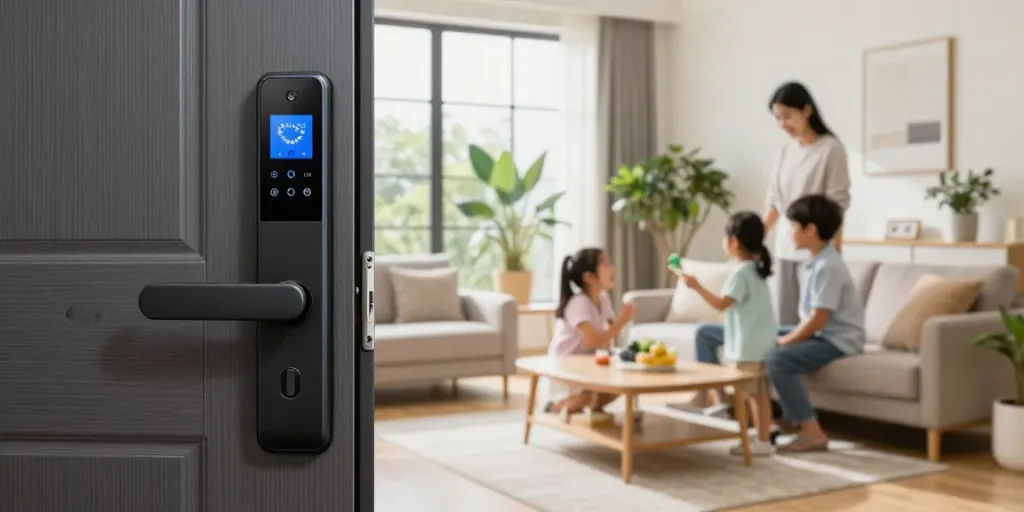
With the advent of technology, the way we secure our homes has transformed significantly. Smart locks, a cornerstone of modern security systems, offer a blend of convenience, accessibility, and enhanced security features. These devices not only provide basic locking mechanisms but also incorporate advanced technologies like biometric recognition and remote access capabilities. When exploring options, قفل هوشمند systems are at the forefront, catering to a diverse range of security needs.
What is a Smart Lock?
A smart lock is an electronic locking device that secures a door without the use of traditional mechanical keys. Instead, it uses a combination of different authentication methods such as passwords, biometrics, or mobile applications. The primary function of a smart lock is to provide enhanced security and control over who has access to your home or property.
How Smart Locks Work
Smart locks connect to your home’s Wi-Fi or a proprietary network, allowing you to lock and unlock your doors remotely via a smartphone or a web app. Many models include features such as status notifications, remote access for guests, and the ability to track entry and exit times. The underlying technology relies on secure encryption protocols to prevent unauthorized access and ensure data privacy.
Types of Smart Locks Available
- Keypad Locks: These require a numeric code for entry. They can be reset and customized easily.
- Biometric Locks: These utilize fingerprints for authentication, providing a high level of security.
- Wi-Fi Enabled Locks: These smart locks can connect directly to your Wi-Fi network, allowing remote access without additional hubs.
- Bluetooth Locks: These work within a limited range and require your smartphone to be nearby for access.
- Smart Deadbolts: These are designed to replace traditional deadbolts and provide enhanced security.
Benefits of Installing a Smart Lock
Increased Security and Access Control
One of the most significant advantages of smart locks is the enhanced security they provide. With advanced features like biometric authentication and remote monitoring, homeowners can ensure that only authorized individuals have access to their property. This added security often deters break-ins and unauthorized access.
Convenience and Remote Accessibility
Smart locks offer unparalleled convenience. Homeowners can grant access to visitors remotely, allowing friends, family, or service personnel to enter without needing to leave a physical key. This feature is especially useful for those with busy schedules or who travel frequently.
Cost-Effectiveness in the Long Run
While the initial investment in a smart lock may be higher than traditional locks, the long-term benefits often outweigh the costs. Reduced need for physical keys, enhanced security that potentially lowers home insurance rates, and the ability to monitor home entry and exit can lead to significant savings over time.
Choosing the Right Smart Lock for Your Home
Factors to Consider Before Buying
When selecting a smart lock, consider your specific security needs and the features that are most important to you. Factors like compatibility with existing smart home systems, user-friendliness, and customer support should weigh heavily in your decision. Additionally, assess how many users will require access and the preferred method of entry.
Popular Brands and Models
Several brands dominate the smart lock market, each offering unique features. Brands like August, Schlage, and Yale have received favorable reviews due to their reliability and advanced features. It’s beneficial to compare these brands based on specific needs and user reviews.
User Reviews and Comparisons
Before purchasing, it is prudent to read user reviews and expert comparisons of various smart lock models. This can provide insight into performance, ease of installation, and any potential issues that other users may have encountered.
Installation and Maintenance of Smart Locks
Professional Installation vs. DIY
Smart locks can typically be installed as a DIY project with basic tools; however, hiring a professional can ensure proper installation, especially if integrating with other home automation systems. Professional installation offers peace of mind that the device is set up correctly, reducing the likelihood of issues later.
Regular Maintenance Tips
To keep your smart lock functioning optimally, regular maintenance is essential. This includes updating firmware, checking batteries, and ensuring that the locking mechanism works smoothly. Regular checks can prevent unexpected failures when you need access the most.
Troubleshooting Common Issues
If you encounter issues such as connectivity problems or failure to unlock, consult the manufacturer’s troubleshooting guide. Common fixes include resetting the lock, checking Wi-Fi signals, or replacing batteries. Understanding common issues can save time and frustration.
Future Trends in Smart Lock Technology
Innovations Expected by 2026
The market for smart locks is expected to grow significantly, driven by advancements in AI and machine learning technologies. Future locks may incorporate more sophisticated features such as face recognition, enhanced data analytics, and seamless integration with other smart home devices.
Integration with Home Automation Systems
As home automation becomes more prevalent, smart locks will likely integrate more closely with other security systems, including cameras and alarm systems. This integration allows for a comprehensive security solution where all devices communicate and operate cohesively for enhanced safety.
Emerging Security Features
Emerging features in smart lock technology may include advanced monitoring options and robust encryption measures to thwart potential cyber threats. As security breaches become more common, manufacturers are prioritizing the development of features that ensure user data is kept safe.