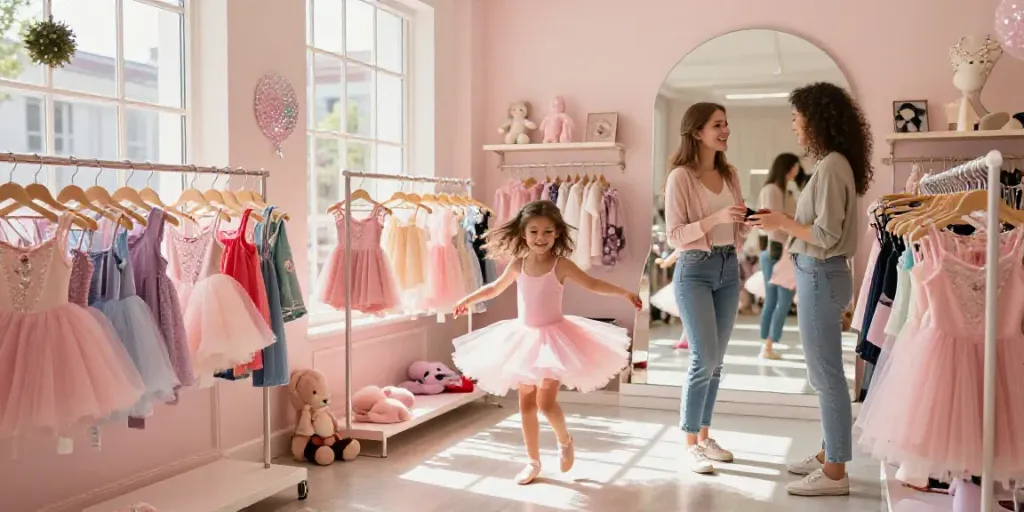
The Evolution of Tutu Stores: Past, Present, and Future
The tutu, a quintessential symbol of ballet and dance, has a storied history intertwined with the art of performance. From its humble beginnings to its status as a fashionable garment, the tutu has evolved significantly over the years. Today, specialized tutu store offer a variety of styles and materials, catering to dancers and enthusiasts alike. This article explores the evolution of tutu stores, the trends shaping their offerings today, and what the future holds for this vibrant market.
History of Tutus in Dance Culture
The history of the tutu is as rich as the art forms it represents. Originating in the early 19th century, the tutu was designed to allow for greater freedom of movement while highlighting the dancer’s technique and legwork. The first tutus were long and made of heavy fabrics, often embellished with intricate beading. As ballet developed, so did the tutu, leading to the creation of the short, fluffy style most commonly associated with today’s performances. With the rise of prominent ballet companies, tutu making became an art in itself, leading to the establishment of boutiques and stores dedicated to dancewear.
Current Trends in Tutu Fashion
In recent years, tutu fashion has seen a considerable revival, not just within the confines of dance studios but also in popular culture and fashion. Modern tutus are not only found on stage; they have made their way into everyday wear, with designers experimenting with new materials, colors, and styles. The inclusion of tutus in fashion shows and social media trends has expanded their appeal, allowing tutu stores to diversify their inventory. From pastel colors to sequined embellishments, the options available in tutu boutiques reflect the ever-changing landscape of fashion.
Future Predictions for the Tutu Market
As the demand for unique and personalized dancewear increases, the future of tutu stores appears bright. Innovations in fabric technology and sustainable practices will likely play a key role in the evolution of tutus. Furthermore, the rise of online shopping has transformed the way consumers purchase dancewear, making it crucial for tutu stores to adapt their strategies. As more people around the world embrace dance as a form of expression, the need for specialized retailers to meet this growing demand will continue to rise.
Why Choose a Specialized Tutu Store?
Shopping at a specialized tutu store provides numerous advantages for dancers and parents alike. Unlike general retailers, these stores offer a curated selection of products specifically designed for dance, ensuring quality and performance. From expert advice to tailored fittings, tutu stores focus on creating an optimal shopping experience for their customers.
Benefits of Shopping at a Tutu Store
- Expert Staff: Trained professionals can offer guidance on sizes, styles, and materials.
- Quality Assurance: Specialized stores typically carry high-quality products that can withstand the demands of performance.
- Unique Selections: A wide variety of options catering to different dance styles and personal preferences.
- Community Engagement: Many tutu stores are deeply rooted in their local dance communities, offering workshops and events.
Understanding Tutu Quality: What to Look For
When purchasing a tutu, it is essential to consider several quality indicators. Look for materials that offer both comfort and durability, such as tulle or chiffon. Additionally, the construction of the tutu should be examined—the seams should be reinforced, and any embellishments should be securely attached. Finally, ensure that the tutu maintains its shape and flair, especially after washing.
Local vs. Online Tutu Store: Pros and Cons
The choice between local and online tutu stores often comes down to personal preferences and circumstances. Local stores offer the advantage of in-person fittings and personalized service, while online stores typically provide a broader range of options at competitive prices. However, shipping times and return policies can vary greatly, making it important for consumers to weigh these factors before making a purchase.
Top 5 Must-Have Items from Your Tutu Store
While tutus themselves are essential, there are several complementary items that every dancer should consider adding to their wardrobe. From accessories to dancewear, these items enhance the overall dance experience.
Essential Tutus for Different Dance Styles
Different dance forms often require specialized tutu styles. For classical ballet, a traditional white tutu is ideal, while contemporary dance might call for a more colorful or asymmetrical design. Understanding the requirements for each style can help dancers make informed decisions when selecting their tutus.
Accessories to Enhance Your Tutu Experience
- Leg Warmers: Essential for keeping muscles warm during practice.
- Headpieces: Adding a unique flair to performances.
- Dance Bags: To carry all essentials conveniently.
- Ballet Slippers: Complements the tutu and ensures proper footwork.
Dancewear Essentials Beyond the Tutu
In addition to tutus, there are several other dancewear essentials that can enhance performance. Leotards, tights, and proper footwear are crucial components that support a dancer’s movements and style. Investing in high-quality dancewear ensures comfort during long rehearsals and performances.
How to Choose the Right Tutu for Your Child
Selecting the right tutu for your child involves careful consideration of several key factors. Each dancer has unique needs, and understanding these can help achieve the best fit and style for their dance journey.
Understanding Size and Fit for Young Dancers
Size is a critical aspect when selecting a tutu for your child. It's important to measure their waist and length to ensure an appropriate fit. Many tutu stores offer fitting sessions, where staff can assist in finding the most comfortable size. A well-fitting tutu can enhance a dancer's performance and confidence.
Color Choices and Their Impacts on Performance
The color of a tutu can significantly impact not only the dancer's appearance but also their performance. Bright, bold colors may energize and captivate the audience, while softer tones can convey grace and elegance. It's essential to choose colors that align with the theme of the dance piece and the dancer's personal style.
Knowing When to Invest in a Quality Tutu
Understanding when to invest in a high-quality tutu is vital for any parent of a budding dancer. If your child is serious about dance, especially if they participate in competitions, a quality tutu is worth the investment. It will provide comfort, durability, and support for both practice and performance.
Frequently Asked Questions About Tutu Stores
What makes a good tutu?
A good tutu is characterized by its quality materials, durability, and proper fit. It should allow for freedom of movement while maintaining style and elegance.
How should I care for my tutu?
To care for a tutu, follow the manufacturer's washing instructions. Generally, hand washing in cold water and air drying will help maintain its shape and fabric quality.
Are there tutu stores that specialize in custom orders?
Yes, many specialized tutu stores offer custom order services, allowing dancers to create unique designs tailored to their specific preferences and needs.
What age should a child start wearing a tutu?
Children can start wearing tutus as early as toddler age for recitals or dance classes, depending on their comfort and interest in dance.
Where can I find the best tutu store near me?
To find the best tutu store, consider searching online for local shops, reading reviews, and asking fellow dancers for recommendations. Many quality shops also have online options for wider selections.