Understanding Mini Split Air Conditioners
In today's world, climate control has become paramount for comfort and energy efficiency. Among the various options available, the mini split of air conditioner stands out as a versatile solution for homeowners. This system not only provides efficient heating and cooling but also offers a variety of benefits that traditional HVAC systems cannot match. In this article, we will explore what mini split air conditioners are, how they function, their key components, and the advantages they offer over conventional systems.
What is a Mini Split Air Conditioner?
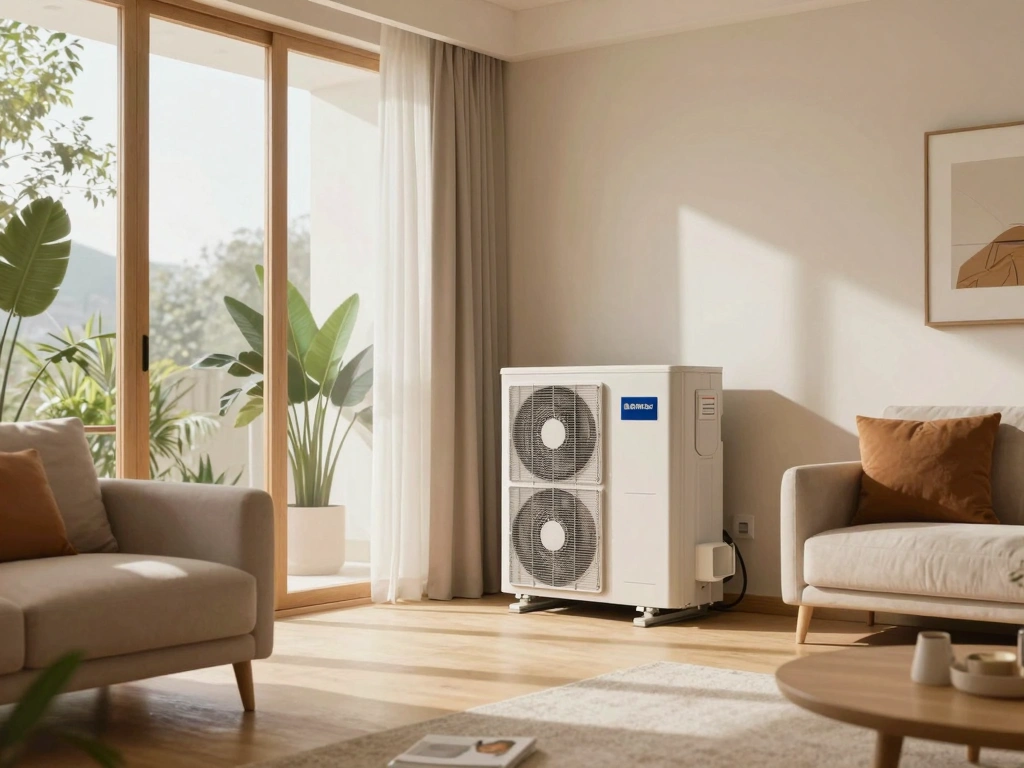
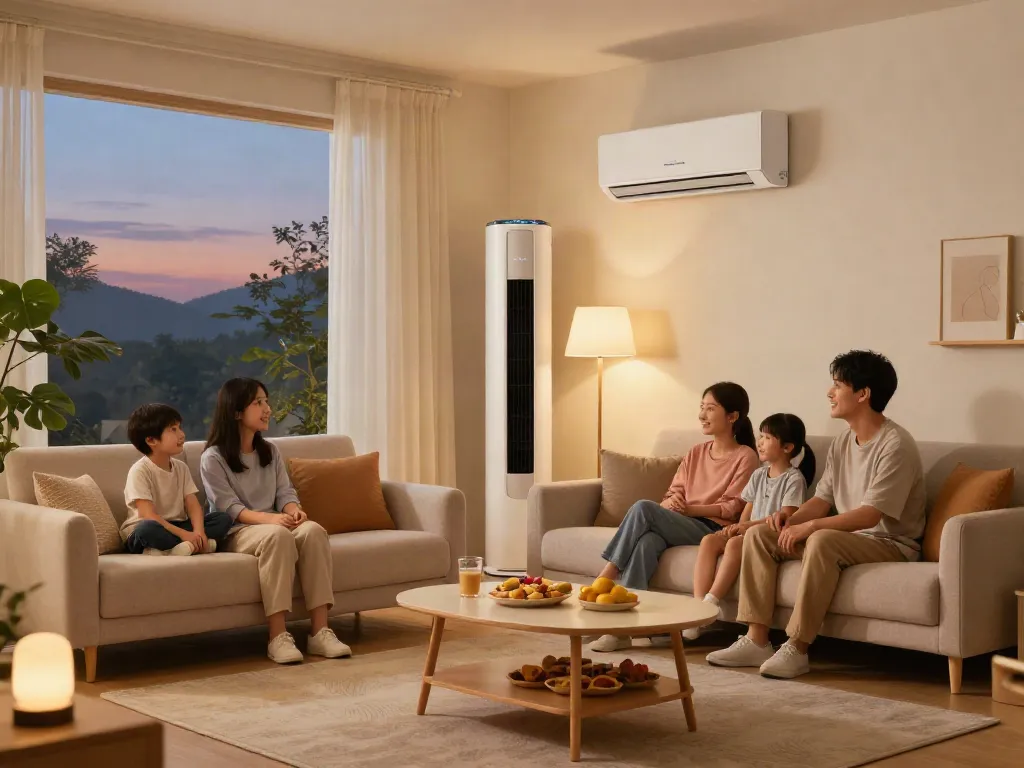
A mini split air conditioner is a type of ductless heating and cooling system that consists of two main components: an indoor unit and an outdoor condenser. This configuration allows for efficient temperature control in specific rooms or zones, making it ideal for homes where traditional ductwork is impractical or overly expensive to install. Mini splits use inverter technology, which adjusts the compressor speed to meet the cooling or heating demand, leading to improved energy efficiency and comfort.
Key Components and How They Work
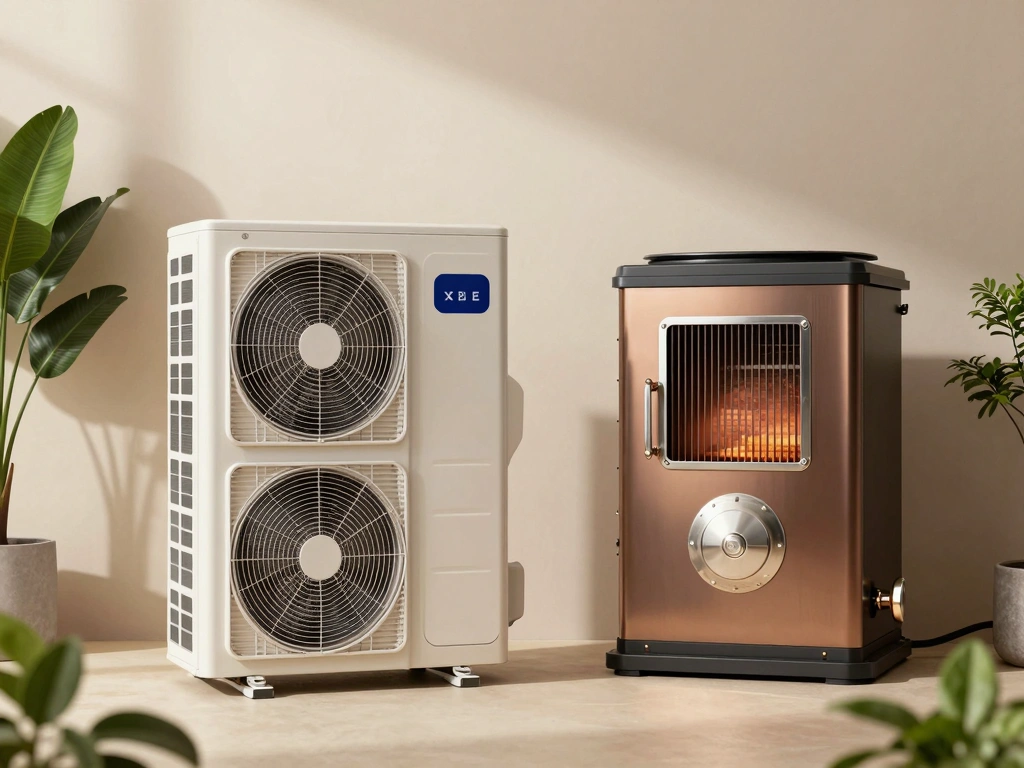
The mini split system is composed of several critical components: the indoor air handling unit, the outdoor compressor/condenser, and refrigerant lines connecting the two. The indoor unit is mounted on the wall or ceiling and is responsible for distributing conditioned air throughout the room. Conversely, the outdoor unit releases heat absorbed from the indoor air to the outside environment. The refrigerant lines facilitate the transfer of thermal energy between the two units, allowing the system to heat or cool as needed.
Benefits Over Traditional HVAC Systems
- Energy Efficiency: Mini splits use less energy than traditional HVAC systems since they avoid the energy losses associated with ductwork.
- Flexible Installation: The ductless nature of mini splits provides flexibility in installation, allowing homeowners to customize their heating and cooling systems as needed.
- Zone Control: Each indoor unit can be controlled independently, allowing for personalized comfort in various areas of the home.
- Quieter Operation: Mini split systems operate more quietly than traditional HVAC units, enhancing indoor comfort.
Choosing the Right Mini Split for Your Home
When selecting a mini split air conditioner, there are several factors to consider to ensure you choose the best unit for your needs. From the size and layout of your space to energy efficiency ratings, making an informed decision will help optimize your system's performance and efficiency.
Factors to Consider When Selecting a Unit
Consider the following factors when choosing a mini split system:
- Cooling and Heating Capacity: Make sure the unit can handle the square footage of the space you need to condition.
- Energy Efficiency Ratings: Look for units with higher SEER (Seasonal Energy Efficiency Ratio) and HSPF (Heating Seasonal Performance Factor) ratings for better energy savings.
- Noise Levels: Different models operate at varying decibel levels; choose one that suits your comfort preferences.
- Installation Requirements: Ensure the unit's installation aligns with your home's layout and existing electrical systems.
Ideal Room Sizes and Layouts
Mini split systems work best in spaces where traditional ductwork is absent or insufficient. Ideal applications include:
- Small apartments and condos
- Converted attics or basements
- Home additions or sunrooms
- Individual rooms in larger homes
Energy Efficiency Ratings and Their Importance
Energy efficiency ratings are crucial when selecting a mini split system. Units with higher SEER ratings are typically more efficient, leading to lower energy bills and a reduced environmental impact. HSPF ratings are equally important for heating efficiency during colder months. Always compare these ratings when evaluating different models.
Installation Process and Best Practices
Proper installation of a mini split air conditioner is vital for optimal performance. Understanding whether to tackle the project yourself or hire professionals can influence your experience and satisfaction with the system.
DIY vs. Professional Installation: Pros and Cons
Installing a mini split can be a DIY project if you have the right skills and tools. However, consider the pros and cons:
- DIY: Cost savings, control over the project timeline.
- Cons: Complex installation may lead to mistakes, impacting performance.
- Professional Installation: Expert knowledge ensures proper setup and warranties are often maintained.
- Cons: Higher upfront costs compared to DIY.
Step-by-Step Installation Guide for Mini Splits
- Choose the installation location for both the indoor and outdoor units.
- Mount the indoor unit on the wall or ceiling securely.
- Install the outdoor unit on a stable surface, ensuring it has proper airflow.
- Run the refrigerant lines, electrical wiring, and drainage line between the two units.
- Evacuate the system to remove moisture and air before charging it with refrigerant.
- Test the system to ensure proper operation.
Common Installation Mistakes to Avoid
Before installing your mini split system, be aware of common mistakes, such as:
- Improperly sizing the unit for your space.
- Neglecting to secure the outdoor unit properly.
- Failing to connect refrigerant lines correctly.
- Incorrectly positioning the indoor unit, which could hinder airflow.
Maintaining Your Mini Split Air Conditioner
To keep your mini split functioning efficiently, routine maintenance is essential. Regular checks and servicing can extend the lifespan of your system and ensure optimal performance.
Routine Maintenance Tips for Longevity
- Clean or replace the air filters every 1-3 months to maintain airflow and efficiency.
- Check and clean the outdoor unit to prevent blockages from dirt and debris.
- Inspect and clear the drain line periodically to avoid water damage.
- Schedule an annual service check with a professional to identify any potential issues.
Common Issues and Troubleshooting Solutions
Here are some common problems you may encounter with your mini split, along with solutions:
- Unit Not Cooling: Check if the air filters are clogged or if there’s insufficient refrigerant. Clean filters and call a technician for refrigerant issues.
- Strange Noises: Unusual sounds could indicate loose components or debris in the outdoor unit. Inspect and secure the unit if necessary.
- Frequent Cycling: This may be due to incorrect sizing or a malfunctioning thermostat. Consult an HVAC professional for assessment.
The Importance of Professional Servicing
While routine maintenance can be performed by homeowners, professional servicing is crucial for complex issues. Professionals have the expertise to identify problems that may not be apparent, ensuring your system operates efficiently and safely.
Trends in Mini Split Technology and Future Prospects
The mini split air conditioner market continues to evolve, focusing on energy efficiency and user-friendly technology. Understanding these trends can help you make informed decisions about system upgrades or replacements.
Innovations in Energy Efficiency and Sustainability
New mini split systems increasingly emphasize eco-friendly refrigerants and advanced energy management systems. Innovations in inverter technology have also improved efficiency ratings, allowing units to consume less power while providing better performance.
Smart Home Integration and Controls
As smart home technology advances, mini split air conditioners are becoming more compatible with home automation systems. Many modern units offer Wi-Fi connectivity, allowing users to control their systems remotely through smartphone apps, enhancing convenience and energy management.
Future Predictions for Mini Split Systems by 2026
By 2026, we can expect mini split systems to feature even higher energy efficiency standards, increased use of renewable energy sources, and enhanced smart technology capabilities. As homeowners become more environmentally conscious, the demand for energy-efficient solutions will drive innovation in this field.
What are the downsides of a mini-split AC system?
Although mini split systems offer numerous advantages, they also have drawbacks. Common concerns include higher initial costs compared to traditional units, the aesthetic impact of indoor units, and the need for regular maintenance to avoid performance issues.
Why is my electric bill so high with mini split?
High electric bills may result from improper sizing, temperature settings, or inefficiencies due to lack of maintenance. To mitigate costs, regularly maintain the unit and ensure it is appropriately sized for the space.
What is the typical cost of installing a mini split system?
The installation cost of a mini split system varies depending on the unit's capacity, complexity of installation, and geographical location. On average, homeowners can expect to pay between $3,000 and $5,000 for a complete system installation.
Are mini-splits good for air conditioning?
Yes, mini-splits are an excellent option for air conditioning, providing efficient cooling and heating while offering flexibility in installation and zone control for improved comfort. Their growing popularity reflects their effectiveness and versatility in modern homes.